
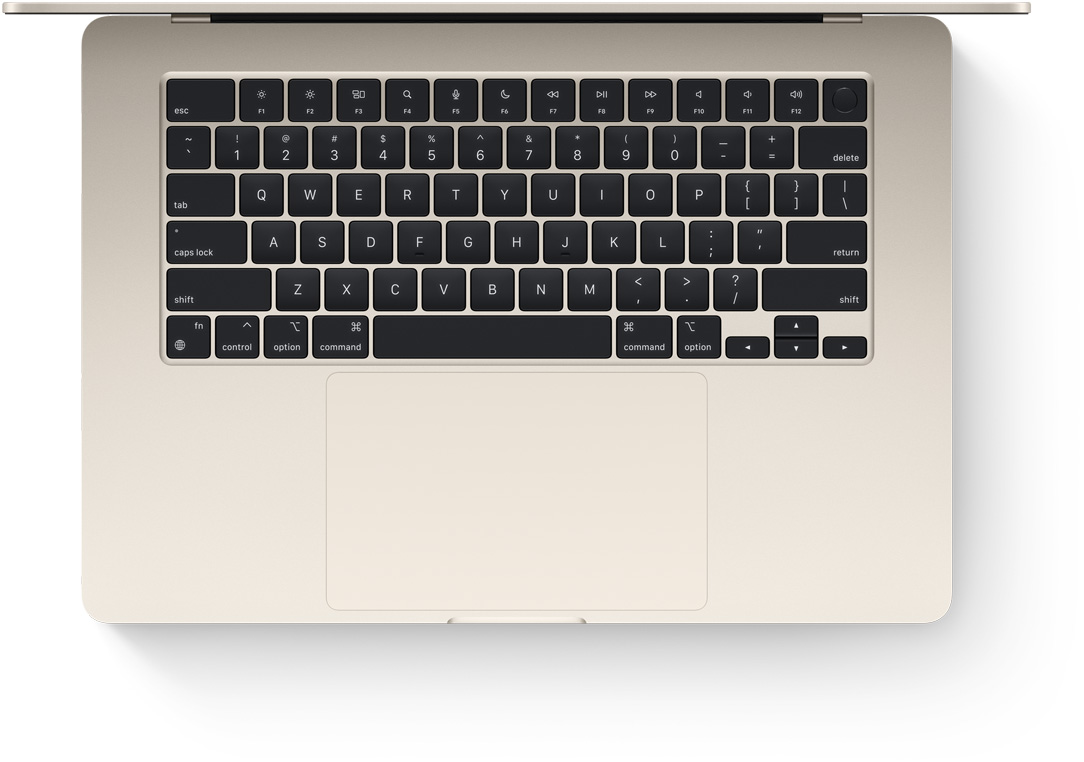
Apple reports environmental impact comprehensively. We do this by focusing on our products: what happens when we design them, what happens when we make them and what happens when you take them home and use them.
Total Carbon Footprint
For 2011, we estimate that Apple was responsible for 23.1 million metric tons of greenhouse gas emissions.1
How we calculate our carbon footprint.
To accurately measure a company’s environmental footprint, it’s important to look at the impact that company’s products have on the planet. For the past three years, Apple has used a comprehensive life cycle analysis to determine where our greenhouse gas emissions come from. That means adding up the emissions generated from the manufacturing, transportation, use and recycling of our products, as well as the emissions generated by our facilities. We've learned that about 98 per cent of Apple's carbon footprint is directly related to our products. The remaining 2 per cent is related to our facilities.
Minimising the impact of our growth.
We know that the most important thing we can do to reduce our impact on the environment is to improve our products’ environmental performance. That’s why we design them to use less material, ship with smaller packaging, be free of toxic substances, and be as energy efficient and recyclable as possible. So as our growth continues to outpace that of the rest of the industry, Apple remains committed to creating products that have the least amount of impact on the environment. Though our revenue has grown, our greenhouse gas emissions per dollar of revenue have decreased by 15.4 per cent since 2008. And we’re still the only company in our industry whose entire product line not only meets but exceeds the strict energy guidelines of the ENERGY STAR specification. Learn more about our environmental progress
Manufacturing
Manufacturing — including extraction of raw materials and product assembly — accounts for 61 per cent of Apple’s total greenhouse gas emissions.
14,096,000 metric tons of
greenhouse gas emissions
Material use.
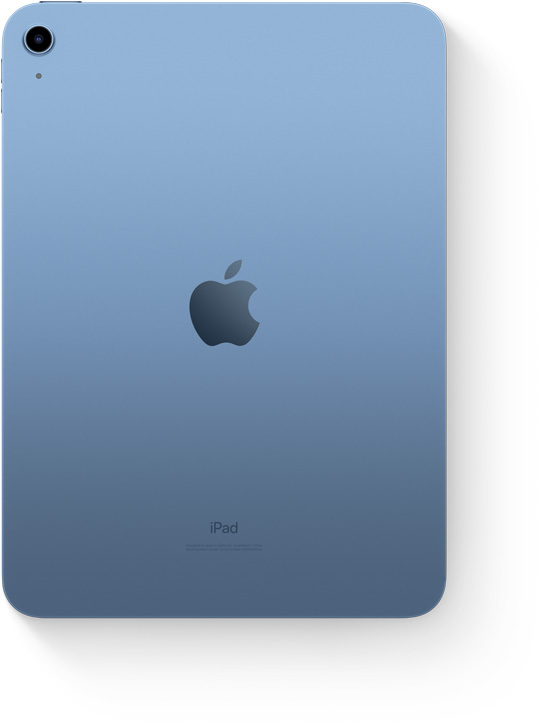
Over the past decade, Apple’s designers and engineers have pioneered the development of smaller, thinner and lighter products. As our products become more powerful, they’re using less material to produce and generating fewer carbon emissions. For example, although today’s 21.5-inch iMac is more powerful and has a much larger screen than the first-generation, 15-inch iMac, it is designed with 50 per cent less material and generates 50 per cent fewer emissions. Even the iPad became 33 per cent thinner and up to 15 per cent lighter in just one generation, producing 5 per cent fewer carbon emissions.

Toxic substance removal.
Designing greener products means considering the environmental impact of the materials used to make them. From the glass, plastic and metal in our products to the paper and ink in our packaging, our goal is to continue leading the industry in reducing or eliminating environmentally harmful substances.
One of the environmental challenges facing our industry today is the presence of toxic substances such as arsenic, brominated flame retardants (BFRs), mercury, phthalates and polyvinyl chloride (PVC) in products. Although most countries still allow use of these substances, we have worked with our manufacturing partners to eliminate them from our products. Not only is every product we sell free of BFRs and other harmful toxins, we have also qualified thousands of components to be free of elemental bromine and chlorine, putting us years ahead of anyone else in the industry. In addition, every display we make — whether it’s built into a system or available as a stand-alone — features mercury-free LED backlighting and arsenic-free glass.
Environmentally conscious materials.
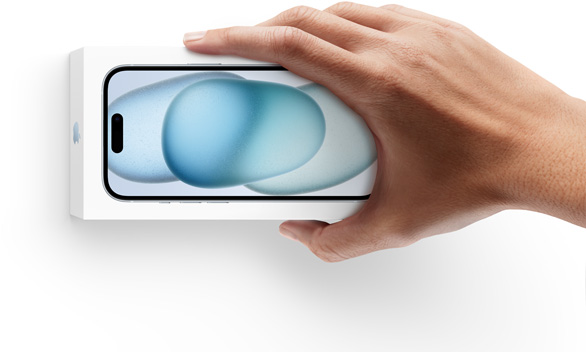
In addition to eliminating toxins and designing products with highly recyclable aluminium enclosures, Apple works with environmentally conscious materials including recycled plastics, recycled paper, biopolymers and vegetable-based inks. We have also found ways to re-engineer secondary materials to the high standard of our designs. For example, our fan assemblies use advanced materials derived from re-polymerised plastic bottles. And millions of speaker assemblies and internal brackets are now made from recycled PC-ABS. Our packaging designs use pulp fibre from post-consumer paper streams and we use vegetable-based inks for our product user guides. Millions of iPhone packages are made from renewable tapioca paper foam material. And iTunes gift cards are made from 100 per cent recycled paper.
Responsible manufacturing.
Apple is committed to ensuring that working conditions in our supply chain are safe, workers are treated with respect and dignity and manufacturing processes are environmentally responsible. View our Supplier Code of Conduct as well as our supplier audit reports at the Supplier Responsibility site.
Transportation
Five per cent of Apple’s greenhouse gas emissions are a result of transporting our products from assembly locations to distribution hubs in regions where our products are sold.
1,239,000 metric tons of
greenhouse gas emissions
Smaller packaging.
Apple employs teams of design and engineering experts who develop product packaging that’s slim and light yet protective. Efficient packaging design not only reduces materials and waste, it also helps reduce the emissions produced during transportation.
For example, the packaging for iPhone 4 is 42 per cent smaller than for the original iPhone shipped in 2007. That means that 80 per cent more iPhone 4 boxes fit on each shipping pallet, more pallets fit on each boat and plane, and fewer boats and planes are used — resulting in fewer CO2 emissions.
* Calculated using US configurations.
Product Use
The use of our products generates 30 per cent of Apple’s total greenhouse gas emissions.3
6,995,000 metric tons of
greenhouse gas emissions
Energy efficiency.
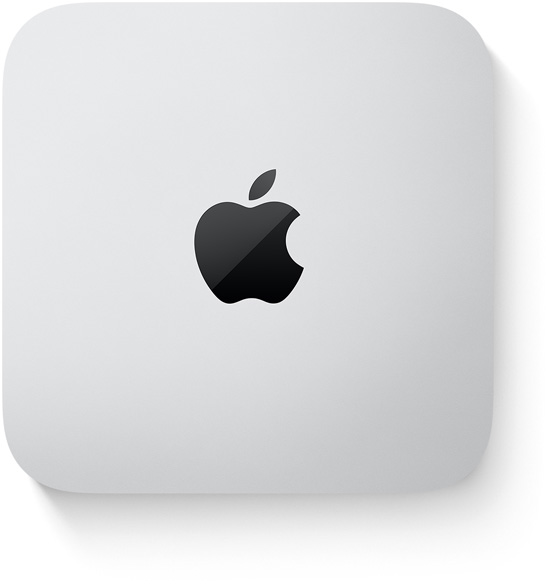
A significant portion of greenhouse gas emissions Apple accounts for are produced when you plug in our products and start using them. That’s why we design our products to be as energy efficient as possible. Because we design both the hardware and the operating system, we’re able to make sure they work together to conserve power. Take Mac mini, for example. Through innovations both big and small, it uses as little as one-fifth the power consumed by a typical light bulb.4 Mac mini uses even less power than a single 13-watt CFL light bulb, making it the most energy-efficient desktop computer in the world.5
Apple’s A5 chip in iPhone 4S and iPad 2, and the A4 chip in iPhone 4, iPod touch and Apple TV are further examples of energy-efficient design. Apple engineers created the A5 and A4 chips to be extremely powerful yet remarkably energy efficient. With them, your Apple devices can perform complex jobs without sacrificing battery life.
ENERGY STAR qualification.
Unlike other manufacturers who may have one or a few products that are ENERGY STAR qualified, every single Apple product not only meets but exceeds the United States Environmental Protection Agency’s strict ENERGY STAR guidelines for efficiency. Apple is the only company in the industry that can make this claim. Learn more about energy efficiency
Recycling
Two per cent of Apple’s total greenhouse gas emissions are related to recycling.
396,000 metric tons of
greenhouse gas emissions
Product recyclability.
Apple’s approach to recycling begins in the design stage, where we create compact, efficient products that require less material to produce. And the materials we do use — including arsenic-free glass, high-grade aluminium and strong polycarbonate — are reclaimed by recyclers for use in new products. Even our product packaging uses recyclable materials wherever possible.
Longer-lasting products.
Apple designs products that last. The built-in battery in our MacBook Pro lineup is a perfect example. Other notebook batteries can be charged only 200 to 300 times. The MacBook Pro battery can be charged up to 1,000 times.6 And because this battery lasts up to five years, MacBook Pro uses just one battery in about the same time a typical notebook uses three. That saves you money, produces less waste and increases the lifespan of your MacBook Pro.
Responsible recycling.
All e-waste collected by Apple-controlled voluntary and regulatory programmes worldwide is processed in the region in which it was collected. Nothing is shipped overseas for recycling or disposal. Our recyclers must comply with all applicable health and safety laws, and Apple does not allow the use of prison labour at any stage of the recycling process. Nor do we allow the disposal of hazardous electronic waste in solid-waste landfills or incinerators.
Apple recycling programmes.
Once an Apple product reaches the end of its useful life, we will help you recycle it responsibly. Apple has instituted recycling programmes in cities and university campuses in 95 per cent of the countries where our products are sold, diverting more than 115,504 metric tons of equipment from landfill since 1994. Our goal in 2010 was to achieve a worldwide recycling rate of 70 per cent. (To calculate this rate, we use a measurement proposed by Dell that assumes a seven-year product lifetime. The weight of the materials we recycle each year is compared to the total weight of the products Apple sold seven years earlier.) We met and exceeded that goal in 2010. This far surpasses the latest reported numbers from Dell and HP, which were each lower than 20 per cent. In 2011, Apple global recycling once again exceeded our 70 per cent goal and we are confident that we will maintain this level up to 2015.
Facilities
Apple’s facilities — including corporate offices, distribution hubs, data centres and retail stores — account for 2 per cent of our total greenhouse gas emissions.
378,000 metric tons of
greenhouse gas emissions
Facilities in the big picture.
Companies such as Dell and HP primarily report on their facilities as a gauge of their environmental impact. But switching off lights and recycling office waste aren’t enough. The products we make represent the biggest impact on our environment. That’s why Apple focuses on product design and innovation. Even so, Apple has taken significant steps to lessen greenhouse gas emissions produced by our facilities worldwide.
Clean energy.
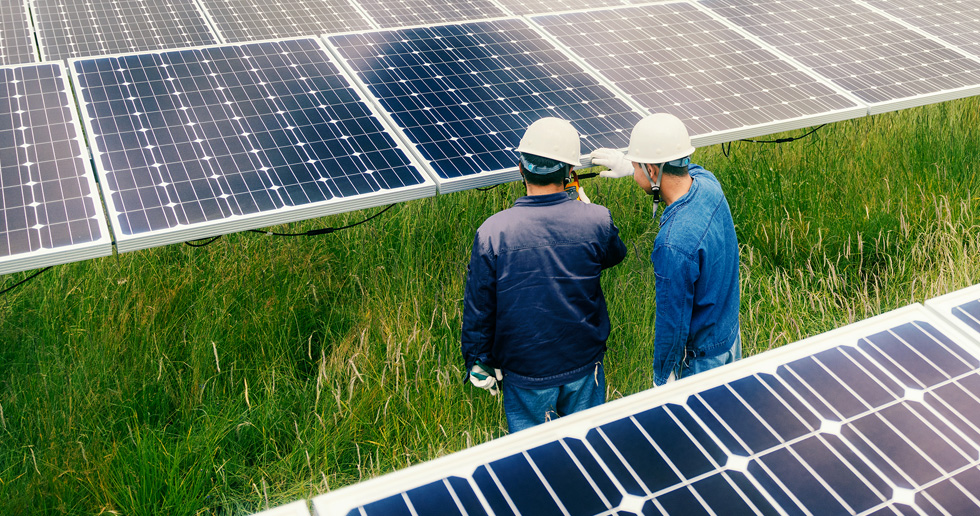
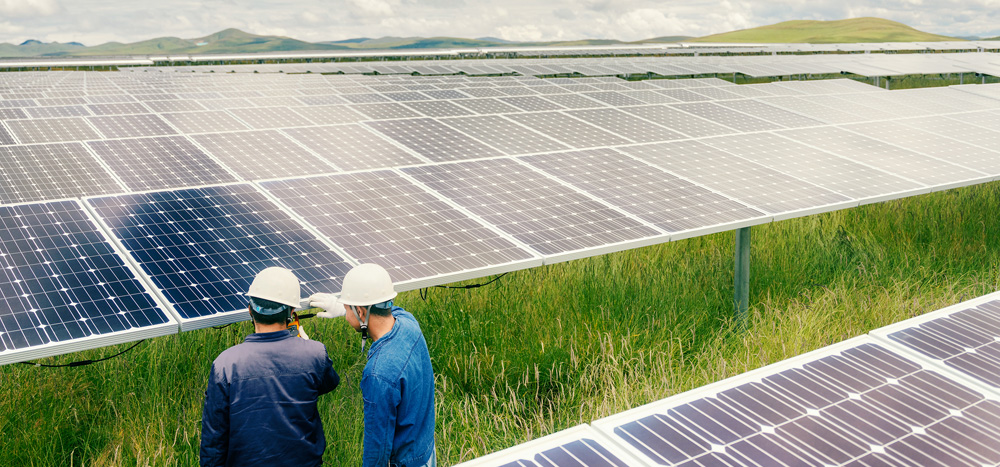
Apple reduces energy use in our facilities in a number of ways. Currently, our facilities in Austin, Texas; Sacramento, California; Munich, Germany; and Cork, Ireland, are 100 per cent powered by renewable energy — eliminating 30,000 metric tons of CO2e emissions. In addition, Apple continues to install state-of-the-art digital controls, high-efficiency mechanical equipment and monitoring technology. Of course, we use energy-efficient Apple computers in all our facilities.
Apple data centre in
Maiden, North Carolina.
Our new data centre in Maiden, North Carolina, demonstrates our commitment to reducing the environmental impact of our facilities through energy-efficient, green building design. The facility has earned the coveted LEED Platinum certification from the US Green Building Council. We know of no other data centre of comparable size that has achieved this level of LEED certification. Our goal is to run the Maiden facility with a high percentage renewable energy mix and we have major projects under way to achieve this — including building the nation’s largest end user-owned solar array and building the largest non-utility fuel cell installation in the United States. Learn more about our energy-efficient data centre.
Employee commuter programmes.
In our 2011 fiscal year, more than 10,000 employees participated in our Commute Alternatives programme — a 61 per cent increase year on year — and used transport options that have reduced traffic, smog and CO2e emissions associated with the use of single-occupancy vehicles. This includes more than 1,100 Cupertino-based Apple employees who go to work each day on free bio-diesel commuter coaches.
Learn how Apple lessens the impact of its products when in use